%20(1).png?width=1038&height=318&name=image%20(16)%20(1).png)

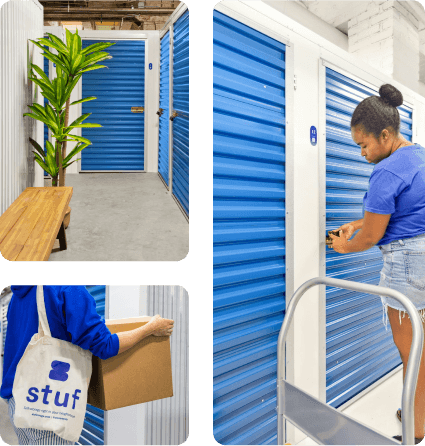
As an event producer, you’re often pulled in several directions, juggling a million things at once. And between back-to-back events, limited space, and high-value items, it’s easy to understand why storing event equipment might be the last thing on your mind.
More often than not, it’s easier to store event supplies where they fit rather than where they belong just so they’re out of sight and out of mind. However, over time, equipment can be damaged, misplaced, or difficult to access when it matters most.
But that doesn’t have to be the case.
In this guide, we’ll break down how to store event equipment properly and how a well-organized storage system can make events smoother from start to finish.
What Are the Challenges of Storing Event Equipment?
While many event supplies, equipment, and decor are hired for events, a good portion of it can also be yours as the producer. This means that you are in possession of a mish-mash of items, from tables to various themed paraphernalia, waiting to be used at your next event.
Aside from variety, however, storing event equipment also presents a host of other challenges, including the following:
- Limited and unusable space
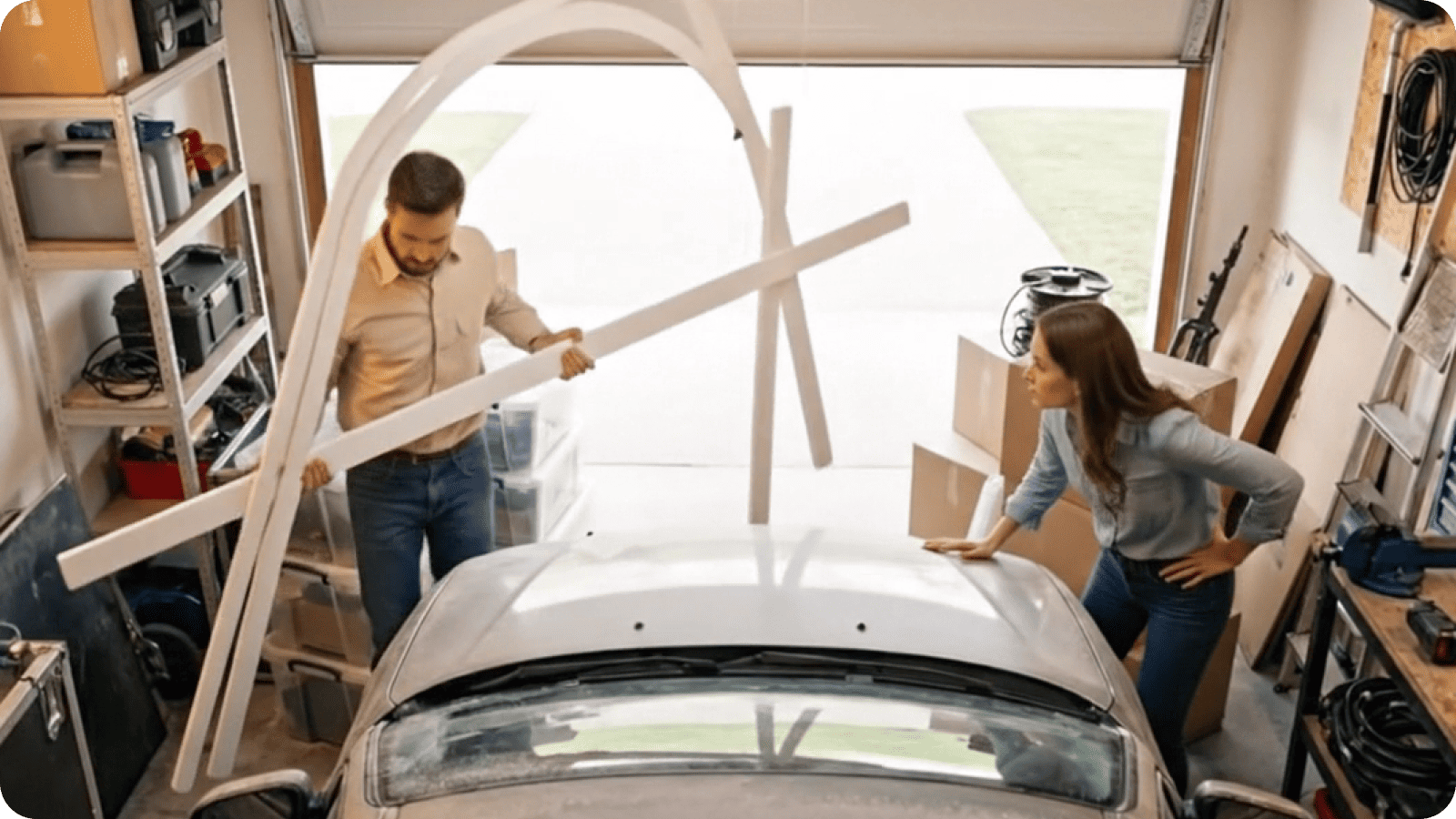
Garages, offices, and spare rooms are rarely designed to handle large items like staging, furniture, lighting, or AV equipment.
- Risk of damage or wear
Moisture, dust, poor ventilation, and pests can all shorten the lifespan of event equipment, which can increase the cost for repairs or replacements. - Disorganization between events
When equipment is spread across multiple locations or stored without a clear system, you’ll be wasting valuable time searching for items during setup and pack-down. - Seasonal fluctuations
Event demand often peaks during certain times of the year, requiring more equipment and more storage space. During quieter periods, that same space may sit underused, making fixed storage arrangements inefficient and costly.
Why is Self-Storage Ideal for Event Producers
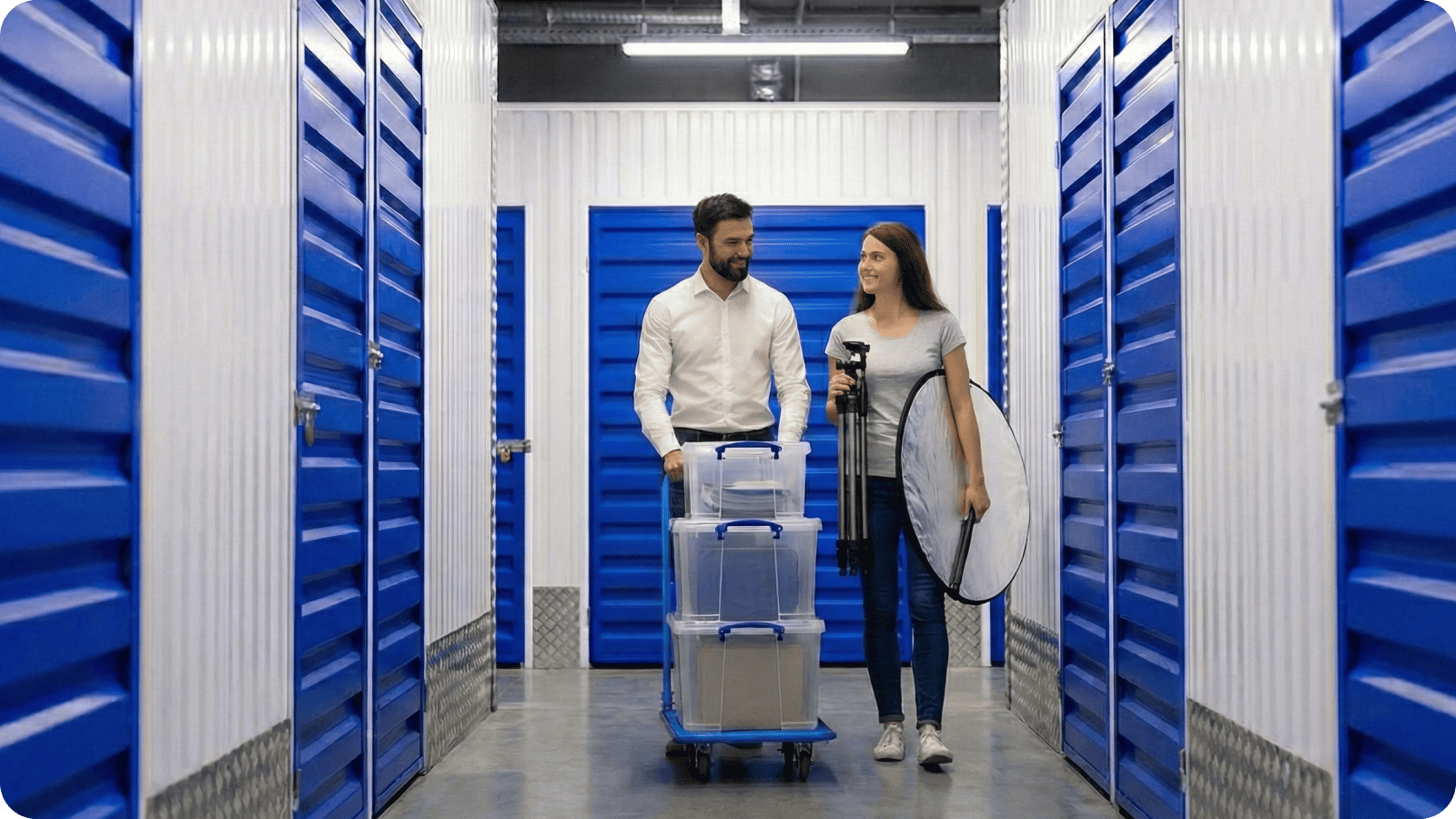
Self storage offers a flexible and purpose-built space that adapts to how your event businesses operate. So, instead of forcing equipment into unsuitable areas or committing to long-term warehousing, you have a secure storage space that supports both your business’ short-term needs and long-term growth.
Here are a few more benefits of using self-storage for event equipment storage:
- Flexible space options that scale up or down based on seasonal demand
- Secure self-storage facilities that help protect high-value equipment from theft or damage
- Dedicated storage space that keeps all equipment in one central location
- Easy access for quick drop-offs and collections between events
- Cost efficiency compared to long-term warehouse leases
- Improved organisation through shelving, layout control, and clear storage systems
- Better equipment longevity by storing items in clean, dry environments
What features should you look for in a self-storage facility for storing event supplies
Just as you’d pick the best equipment for your events, it’s also wise to pick a self-storage facility with all the right features that will protect that investment.
Facilities like Stuf Storage are designed with these considerations in mind, offering features that will help you store equipment securely and with confidence.
When evaluating a self storage facility for event supplies, look for the following features:
- 24/7 security monitoring
Event equipment is often high in value and difficult to replace at short notice. Facilities with 24/7 CCTV monitoring and controlled access help deter theft and provide peace of mind. At Stuf Storage, some of our units are also located within buildings that house active businesses and offices, which add an extra layer of passive security. - Digital-only access to storage units
Physical keys can be lost, copied, or shared unintentionally. Digital access systems ensure only authorised users can open the unit, reducing the risk of unauthorised entry and improving accountability. - Climate-controlled storage options
Electronics, fabrics, décor, and signage are vulnerable to heat, humidity, and temperature changes. Climate-controlled units help protect these items from warping, mould, corrosion, and long-term deterioration. - Insurance coverage for stored equipment
Even with strong security, unexpected incidents can occur. At Stuf Storage, we offer protection of up to $5,000 through partners like Minico, which add an extra layer of financial security. - Clean, dry, and well-maintained facilities
A well-managed facility reduces exposure to moisture, dust, and pests. This is essential for maintaining the condition of event supplies that are reused across multiple events. - Convenient access for loading and unloading
Easy access points make it safer and faster to move bulky or heavy items, reducing handling time and the risk of accidental damage during transport.
How to choose the right unit size for your events equipment
Below is a simple guide to what typically fits into each unit size, based on common event equipment needs.
3x5 - 5x10
Best for small, lightweight items to moderate equipment loads including:
- Event signage and stands
- Table linens, runners, and fabric backdrops
- Foldable tables
- Furniture for small events
- Portable lighting stands
- AV cases and speakers
- Multiple decor crates
6x10 - 10x10
Provides extra space for extra organization and is ideal for growing event businesses. Best for items such as:
- Furniture sets
- Shelving with walkways
- Staging components
- Full décor collections
- AV equipment for mid-sized events
10 x 15 - 10 x 20
Designed for high-volume storage and large-scale operations.
- Equipment for multiple event types
- Large props and custom builds
- Packed event kits
- Full event setups
- Staging, lighting, furniture, and AV combined
How to Prepare Event Equipment for Storage
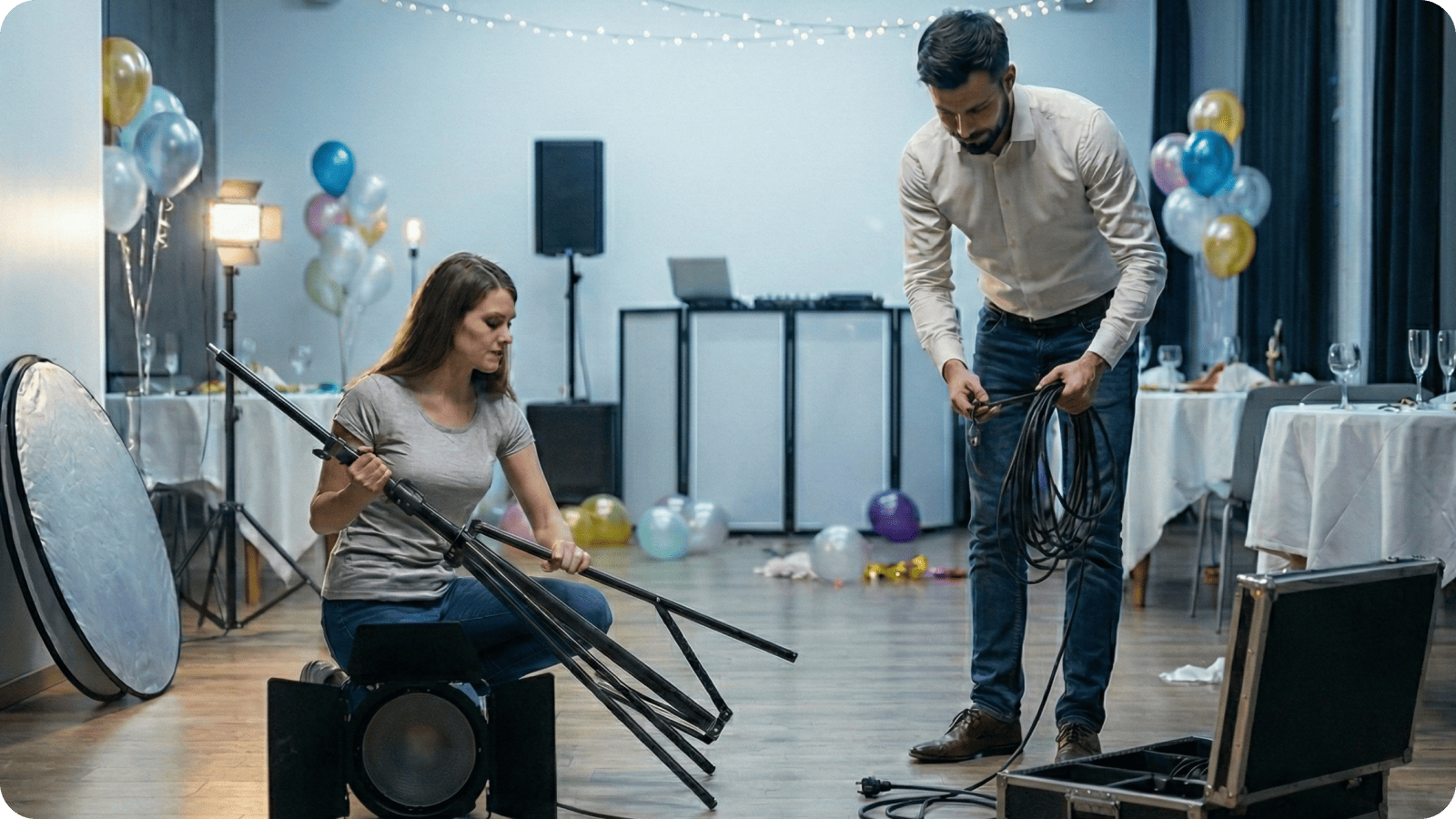
Event supplies are used repeatedly, transported often, and exposed to varying environments, which makes preparation especially important before placing items into storage.
Take note, however, this preparation stage will take time on your part. However, it will make setup and organization twice as easier in the long run, especially if you maintain it with a good inventory system.
Below are practical steps you should follow before storing event equipment:
-
Clean and fully dry equipment after every event
Rushed pack-downs often mean equipment is stored while still dirty or damp. Over time, this leads to mold, corrosion, and surface damage.
Taking the time to clean and dry your equipment after every event improves long-term outcomes when storing event equipment between events. Here are some general reminders:
- Furniture and staging: Wipe down all surfaces to remove spills, dust, and residue. Pay close attention to joints, hinges, and connection points where moisture often sits unnoticed.
- Linens and fabric décor: Wash, dry, and fully air items before folding. Never store fabrics directly on concrete floors, as moisture can transfer even in dry units.
- Decorative items: Remove wax, adhesive tape, floral residue, and fastening materials. Leftover residue can stain surfaces or attract dust during storage.
-
Disassemble equipment to reduce stress and warping
Large event items are not designed to be stored fully assembled. Taking them apart protects them and makes self storage for event equipment more space-efficient.
- Tables, staging platforms, and frames: Break down into flat components to prevent pressure damage and uneven weight distribution.
- Backdrop systems and arches: Separate poles, bases, and connectors to avoid bending and metal fatigue.
- Lighting stands and tripods: Collapse fully and secure loose components to prevent accidental damage during handling.
-
Prepare AV and electronic equipment with extra care
AV equipment is one of the most failure-prone categories when improperly stored. Remember the following tasks to ensure your AV and electronic equipments last in storage:
- Cables and leads: Coil loosely using over-under techniques to prevent internal wire fatigue, which often causes failures during live events.
- Speakers, mixers, and control units: Store in padded cases or rigid containers to protect against dust and impact damage.
- Lighting fixtures: Remove batteries where applicable and store lenses facing inward to reduce surface scratches.
-
Label equipment for fast identification and safer handling
Clear labelling reduces handling mistakes and speeds up setup. So, label your equipment by equipment type, event category, or kit name. Include handling notes such as “fragile,” “stacking limit,” or “store upright.”
To ensure nothing gets lost between events, use durable labels that remain legible across repeated moves.
Best Practices for Storing Event Equipment
To use self-storage as an operational tool to promote efficiency in your business, you must approach it strategically, with clear organisation and reliable systems.
Here are a few tips on how to do that:
Organization techniques for faster setup and teardown
The first step to efficient storage is designing a layout that reflects how your equipment is used.
Event equipment often includes furniture, décor, staging, AV gear, and textiles, each with different handling and storage requirements. Without a deliberate organisation system, retrieving items can become chaotic, increasing setup time and risk of damage.
Key strategies:
- Zone your unit by item type and event frequency
Group items logically: staging and furniture together, AV and electronics in a separate zone, and linens or décor in another. Frequently used items should be near the front for easy access, while seasonal or rarely used pieces go to the back.
This layout reduces the need to move other items to reach essentials.
- Create event-ready kits
Pre-packaged kits for specific events, such as weddings, corporate functions, or trade shows, save considerable time. Each kit should contain all required items for that event type, including cables, connectors, props, and décor.
Adding a checklist inside each kit ensures nothing is forgotten during transport or storage.
- Maximize vertical space
Installing shelving or stacking bins safely allows better use of the unit’s height. Heavier items should remain low, while lighter accessories can be placed higher. This reduces the chance of damage and keeps walkways clear for safe access.
Installing shelving or stacking bins safely allows better use of the unit’s height. Heavier items should remain low, while lighter accessories can be placed higher. This reduces the chance of damage and keeps walkways clear for safe access.
Workflow and systems to improve storage efficiency
Beyond physical organisation, systems and workflows are crucial for operational efficiency. A well-designed workflow ensures that your equipment is tracked, maintained, and ready for action at any time.
Key workflow strategies:
- Inventory tracking and check-in/check-out
Track when items enter and leave, noting condition and quantity. This reduces lost items and allows you to plan replacements before equipment fails.
Digital tools or simple spreadsheets will work, especially for teams that share access to the unit.
- Routine maintenance and inspection
Regularly inspect furniture, electronics, and soft goods for wear or damage. Check electronics for functionality, tighten staging connections, and replace consumables like zip ties or cables. - Rotate and prioritize equipment
Rotate equipment so that high-demand items are always easy to access, reducing handling and wear on less frequently used items. - Standardize team protocols
Train all staff on storage procedures, from kit packing to labelling and inventory updates. This ensures everyone knows where items belong and how to retrieve them safely. It also prevents mishandling and speeds up the flow between storage and event venues. - Document layouts and procedures
Maintain simple diagrams or photos of your unit layout and kit contents. This visual reference speeds onboarding of new staff and ensures that items are returned to the correct zones after events.
FAQs About Using Self Storage for Storing Event Supplies
- How secure is self storage for event equipment?
Modern self storage facilities typically offer strong security features such as CCTV monitoring, controlled access, and unit‑level digital locks. These measures help protect high‑value event equipment from theft and unauthorised access. - Should I use climate‑controlled storage for my event equipment?
Yes, climate‑controlled units are strongly recommended if you’re storing sensitive items like electronics, fabrics, or delicate décor. Consistent temperature and humidity help prevent mold, warping, and electrical issues. - Do I need insurance for my stored event equipment?
Yes. It’s a smart idea to have insurance coverage for your stored equipment, especially when dealing with high‑value items. - What size self storage unit do I need for storing event equipment?
The size you choose depends on the volume and frequency of items you need to store. It’s always helpful to measure your largest items and add space for access paths and organisation when planning your storage needs. - Can I access my storage unit anytime I need to?
Most self storage facilities allow flexible access, often including 24/7 access in many locations.
Make Storing Event Equipment Easier with Stuf Storage
Storing event equipment doesn’t have to be stressful or disorganised.
By preparing items properly, creating event-ready kits, and implementing smart organisational systems, your storage unit can become a true operational hub, saving time, protecting assets, and improving every event’s setup and teardown.
With Stuf Storage, you get secure, climate-controlled units, 24/7 CCTV, digital access, and optional insurance coverage, all designed to make storing event equipment safer, simpler, and more efficient. Take control of your event storage today and see how a well-organised unit can streamline your workflow and protect your investment.

.png)
%20(1).png)
.png)